Living near the coast is one of the great advantages of owning a home in Santa Monica or Malibu. Ocean air, mild temperatures, and easy beach access are part of what makes these communities so desirable, but that same coastal environment creates challenges for carpets and area rugs that homeowners farther inland rarely have to think about.
Sand is the obvious concern, but it is only part of the picture. Salt in the air, moisture carried in on the marine layer, and constant indoor-outdoor foot traffic all affect how carpet and rugs perform over time, especially in homes with wool carpeting, handmade rugs, or other fine textiles. The goal is not to clean more aggressively, but to time professional care around what coastal conditions actually do to carpet and rugs.
Sand and Salt Wear Carpet from the Inside Out
A carpet can look completely clean after vacuuming while still holding sand that has worked its way down to the base of the pile, where ordinary vacuuming rarely reaches. As foot traffic continues, that embedded grit acts like fine sandpaper against the fibers, gradually contributing to premature wear in entryways, hallways, and family rooms.
Coastal air adds a second factor that is easy to overlook. Sea salt is hygroscopic, meaning it draws in and holds onto moisture from the surrounding air. When airborne salt settles into carpet along with sand, it can leave fibers slightly damp even in a home that looks perfectly dry, which lets soil stick more readily and speeds up resoiling. This is one reason carpet in beach homes can start looking dull again faster than the same material would inland.
Entry Areas Need More Attention in Coastal Homes
Preventing sand and salt from reaching the carpet is far easier than removing it once embedded. Homes with doors leading to patios, decks, or beach access should treat these transition points differently than the rest of the house. Good entry mats capture a meaningful amount of debris, and removing shoes before coming inside makes an even bigger difference.
A formal room that rarely gets used can stay clean far longer than a family room that opens onto an outdoor living area, so maintenance should match actual use rather than one schedule for the whole house.
Ocean Humidity Can Cause Stains to Wick Back to the Surface
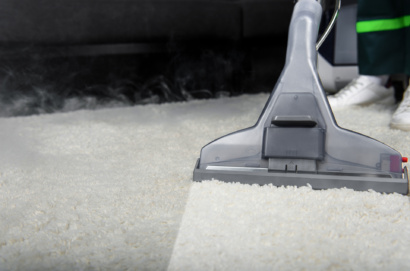
Carpet and rugs need to dry completely after cleaning, and this matters more in a coastal home than an inland one. Elevated ambient humidity slows evaporation, so if carpet is left slightly overwet during cleaning, or a spill is not dried quickly, moisture in the backing and padding takes longer to release. As it eventually evaporates, it can carry dissolved soil and old stains back up through the fibers, a process cleaners call wicking. This is why a stain can seem to disappear after cleaning and then reappear days later, even though nothing new was spilled.
Padding that stays damp for extended periods in a humid coastal environment is also more prone to mildew and odor than the same padding inland, even without a visible leak. A musty smell or a soft, slightly spongy feel underfoot with no obvious cause is usually a sign the padding needs inspecting rather than the carpet cleaning again.
Marine Layer and Salt Air Bring the Outdoors In
Opening windows to catch the ocean breeze is one of the pleasures of coastal living, but fresh air rarely arrives alone. Fine dust, pollen, sand, and salt travel in with it, along with moisture from the marine layer that rolls in on many mornings, gradually accumulating in carpet, rugs, and upholstery well before it becomes visible.
Salt air carries one additional risk specific to homes near the water. It can gradually corrode metal tack strips beneath the carpet edge, and when that happens, rust can bleed through and create a stain along the wall that looks like a spill but is not one. A cleaner familiar with coastal properties will recognize this pattern and know it calls for a fix that would be different than for a typical stain,
Fine Rugs Need Individual Evaluation
Many homes in Santa Monica and Malibu include fine area rugs, including wool, Oriental, and handmade pieces, which should never be treated the same way as wall-to-wall synthetic carpet. Construction, fiber type, dye stability, and cleaning history all affect how a rug should be handled, and two rugs sitting a few feet apart can call for entirely different approaches. Before cleaning a valuable rug, an experienced professional should evaluate these factors, since some pieces are better cleaned in a controlled environment where rinsing and drying can be managed carefully. Our guide to luxury carpet and rug care covers wool, silk, and handmade rug maintenance in more depth.
For coastal homes, the preservation of rugs take priority over aggressive stain removal, given the extra stress salt and humidity already put on natural fibers.
Sunlight Causes Permanent Color Loss, Not Just Fading
Large windows and ocean views are a defining feature of many coastal homes, but constant sun exposure gradually changes how carpet and rugs look. Unlike soil, which can be extracted, sun fading is an actual change in the dye itself, and once color has faded significantly, professional cleaning cannot wash it back into the fibers. Area rugs are especially prone to uneven fading, since part of the rug often receives far more direct sun than the rest.
Rotating rugs periodically and using window treatments or UV reducing film can slow this process. Fading and soiling are two different problems, and cleaning a faded carpet more aggressively will not restore lost color. Homeowners dealing with unexplained discoloration may find our article on carpet browning and discoloration helpful.
Blot Spills Immediately, Never Scrub
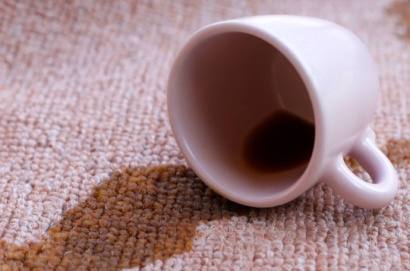
Spills are inevitable, and wine, coffee, and oils become much harder to remove once they penetrate deep into carpet or rug fibers. Scrubbing spreads a fresh spill further and can distort certain fibers, so blot instead with a clean white towel and avoid experimenting with multiple household products, particularly on wool, silk, or rugs with unknown fiber content.
Store bought cleaners can leave residue that attracts new soil, sometimes making a spot look worse days later than it did right after the spill. If a stain remains after careful blotting, professional evaluation is usually safer than repeated at home attempts.
Base Cleaning Frequency on the Home, Not the Calendar
There is no single cleaning schedule that fits every beach home. A Malibu property used only part of the year has different needs than a busy Santa Monica household with kids, pets, and doors to the outside, and an entryway may need attention well before a lightly used bedroom.
Base decisions on foot traffic, pets, proximity to outdoor areas, fiber type, and how quickly sand and salt residue tend to build up. Preventative carpet cleaning and rug cleaning is generally more effective than waiting until a carpet looks heavily soiled, since fiber wear that has already occurred cannot be reversed by cleaning alone.
Frequently Asked Questions
Does living near the beach mean I need to clean my carpet more often?
It can. Homes with frequent indoor-outdoor traffic, sand, pets, or open window exposure often need more frequent maintenance. The right schedule should be based on actual conditions in the home, not location alone.
Can sand and salt permanently damage expensive carpet?
Yes, over time. Sand acts as an abrasive once it works into the base of the pile, and airborne salt can keep fibers slightly damp, which speeds up resoiling. Removing both regularly reduces unnecessary wear.
Should wool rugs in coastal homes be steam cleaned?
Not automatically. Cleaning method should be chosen based on the individual rug’s construction, dyes, and condition rather than assuming one process works for every wool rug.
Why does carpet sometimes feel damp or develop odors near the beach, even without a spill?
This is often a sign that padding has retained moisture from ambient humidity rather than a specific accident. In coastal homes, that dampness can lead to mildew and odor over time, and it usually calls for inspecting the padding rather than cleaning the surface again.
Can sun-faded carpet be restored through professional cleaning?
No. Cleaning can remove soil that makes carpet look dull, but genuine dye loss from UV exposure is a permanent color change that cleaning cannot bring back.
Protecting Carpets and Fine Rugs in Santa Monica and Malibu
Caring for carpet in a coastal home comes down to prevention. Controlling sand and salt, vacuuming high traffic areas consistently, responding correctly to spills, and giving fine rugs individual attention all help stop small problems from becoming permanent ones. The strongest cleaning method is not automatically the best one, since fiber type, construction, and moisture conditions all shape the right approach.
At Dave’s Carpet and Upholstery Cleaning, decades of hands-on experience in Santa Monica and Malibu homes have shown that effective cleaning starts with understanding what we are cleaning and why the problem developed. Sometimes that means straightforward professional carpet cleaning. Other times, recurring stains or lingering odors mean looking deeper, including inspecting the padding beneath the carpet to find the actual source before recommending treatment.
For homeowners throughout Santa Monica, Malibu, and the surrounding Los Angeles coastline, professional care can help preserve the carpets and rugs that are part of your home’s comfort and value. Contact Dave’s Carpet and Upholstery Cleaning today at (310) 230-3800 to schedule a professional evaluation based on the actual conditions in your home, not on a one-size-fits-all process.